Christmas in Ballarat is pretty special, isn’t it? Warm nights, kids on school holidays, neighbours trying to outdo each other with light displays, and that feeling when you finally flick the switch, and the whole front yard lights up.
But as local electricians, we also see the other side of Christmas lights, overloaded power boards, dodgy old fairy lights from the 90s, and extension leads sitting in puddles. It only takes one little mistake for your festive display to turn risky.
This guide is here to keep things simple, friendly and practical, so you know exactly when it’s time to call an electrician – and how MJE can help you keep your Ballarat Christmas bright and safe.
Overloaded power circuits
If there’s one phrase we hear a lot in December, it’s: “It’ll be fine, it’s just one more set of lights.”
The trouble is, Christmas often means you’re plugging in far more than your home usually handles: fairy lights, inflatables, projectors, extra indoor decorations, maybe an extra fridge in the garage, even tools for those last-minute DIY jobs.
All of that draws power from circuits that were never designed with full-blown Christmas displays in mind.
Signs your circuits are struggling
Keep an eye (and ear) out for:
- Power points, plugs or power boards that feel warm or hot
- Circuit breakers that trip when you switch everything on
- Lights that flicker or dim when other appliances start
- A faint buzzing or humming from outlets or your switchboard
If you’re running multiple power boards from the same outlet, daisy-chaining extension leads, or using double adaptors just to squeeze everything in, your system is probably working harder than it should.
A simple rule: if your set-up looks like spaghetti and it makes you feel even slightly uneasy, it’s worth rethinking before you flick the switch.
Old and damaged lights
Most families have that one tub or box of Christmas lights that’s been dragged out every December for as long as anyone can remember. They’ve moved house with you, survived hot summers in the shed and done a few tours of the gutters and garden.
The problem is, time isn’t kind to electrical gear, especially when it’s been stored in hot, dusty or damp places. Over the years, plastic insulation can brittle and crack, wires can become exposed, connectors and plugs can loosen or corrode and transformers can start to overheat.
Sometimes people try a quick fix: a bit of tape around a split cable, twisting wires together, or “just using it one more year”. Those small shortcuts can turn into big risks.
What to check before you plug in
Before any lights go on the tree, roof or fence:
- Look for cracks, splits or cuts in the cable
- Check for exposed copper or frayed sections
- Inspect plugs and transformers for discolouration or melting
- Make sure none of the bulbs or LED modules are loose or broken
If something looks questionable, don’t try to patch it up. Christmas lights are replaceable. Your home and family aren’t.
Indoor vs outdoor lights
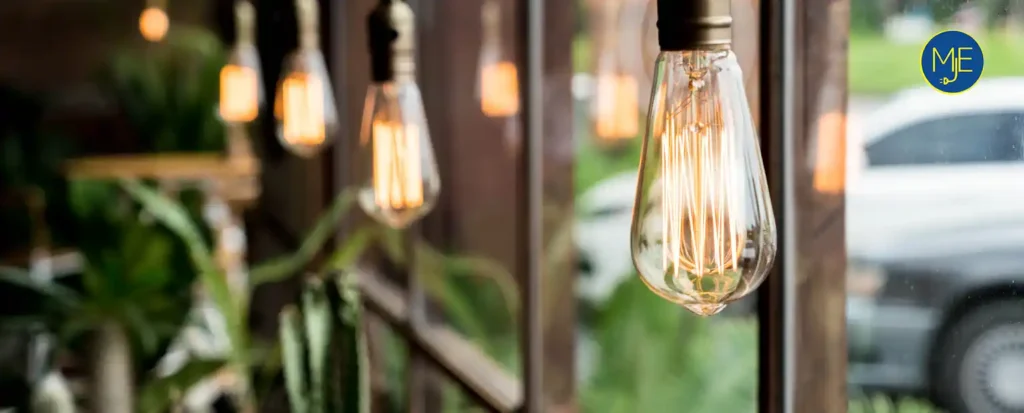
Ballarat weather likes to keep us guessing. It can be hot and sunny one day, then cool, windy and wet the next, sometimes all in the same afternoon. That’s hard enough on us, let alone on lights that were only designed to live inside a lounge room.
Outdoor-rated lights and leads are built to handle, light rain and moisture, UV exposure from the sun, and emperature changes and wind.
Indoor lights aren’t. Using them outside – especially along roofs, fences, trees or garden beds, can lead to shocks, shorts or even fires.
How to tell what’s what
Check the packaging or tags on the lights for:
- Clear wording like “for outdoor use”
- An IP rating (such as IP44), which indicates weather resistance
If the lights don’t specifically mention being suitable for outdoor use, assume they’re indoor only and keep them inside.
A quick tip: if you can’t remember whether a set is indoor or outdoor because the packaging is long gone, save those for the tree or inside decorations and buy new outdoor-rated ones for the yard.
Extension leads and power boards
At Christmas, extension leads and power boards suddenly become the unsung heroes of the house. They’re dragged from drawers, dug out of tubs and used in ways they were never really designed for.
There’s nothing wrong with using them, as long as you do it safely.
Good habits with leads and boards
- Use outdoor-rated extension leads for anything outside
- Don’t daisy-chain multiple power boards or extension leads
- Avoid stacking double adaptors – use a quality power board instead
- Keep joins, plugs and boards off the ground and away from puddles
- Don’t run leads through windows or doors where they can be pinched
Indoors, try not to hide power boards under cushions, rugs or piles of presents. They need air flow, and buried boards can overheat.
Outdoors, think about where people will be walking. Leads across paths can easily become trip hazards at evening gatherings when it’s darker and people are relaxed (and possibly carrying a plate of pavlova).
Safety switches (RCDs)
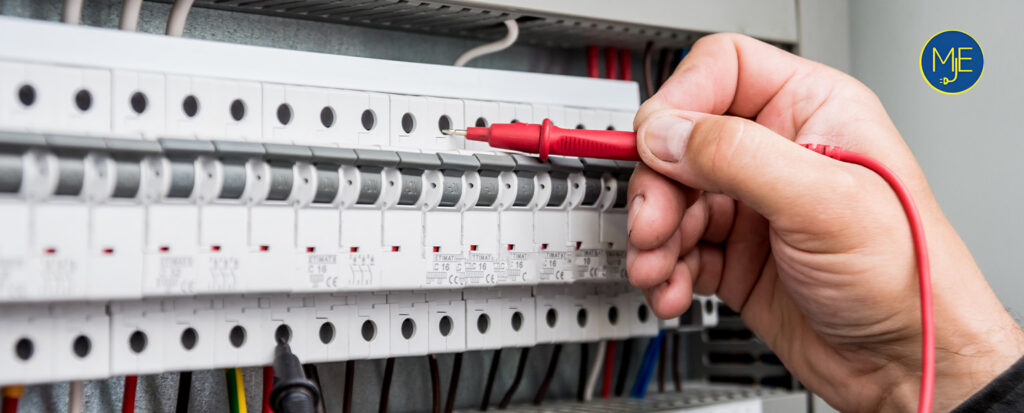
Safety switches, also known as RCDs (Residual Current Devices), are one of the best protections you can have, especially with the extra risk of outdoor lights and temporary set-ups.
They constantly monitor the flow of electricity and will cut power extremely fast if they detect a fault, like a cable in a puddle or someone getting a shock.
Do you have proper RCD protection?
Plenty of homes around Ballarat still don’t have full safety switch protection on every circuit.
Have a peek at your switchboard:
- Circuit breakers usually look like small switches in a row
- Safety switches/RCDs often have a “Test” button on them
If you’re not sure what’s what, you’re not alone – most people aren’t entirely confident with their switchboard. But a lack of safety switches, especially when running lots of outdoor gear, is a risk worth addressing.
It’s also important not to constantly reset tripping RCDs without finding out why they’re tripping. Repeated trips are your system’s way of telling you something isn’t right.
Roofs, gutters and ladders
Those classic Christmas shots of houses with perfectly lined gutters and roof edges covered in twinkling lights never show the bit where someone was up a ladder, sweating, stretching and hoping it all holds.
Climbing up to hang lights brings a few extra dangers like slipping frm ladders when balanced on uneven ground, or being close to live metal gutters or overhead service line.
Safer ways to decorate high up
- Use a sturdy ladder on flat, stable ground
- Don’t overreach – move the ladder rather than leaning out
- Keep well away from overhead power lines; they may be closer than they look
- Use plastic clips to secure cables rather than nails, staples or screws
- Avoid draping lights where they could rub against sharp metal edges
If standing at the top of a ladder with a string of lights in your hands feels a bit dicey… that’s your cue to rethink the plan or get help.
Gardens, wet areas and metal features
Some of the most beautiful Christmas displays are in the garden, fairy lights in trees, path lights, lights wrapped around metal fences, arches or frames, and features lit up across the lawn.
But outdoors, water and metal are two things that demand respect. This is because cables and plugs could be near wet grass, garden beds or puddles, lights could be wrapped tightly around metal railings or fences, and leads could be running across paths and driveways.
Where you can, try to:
- Keep cables elevated or supported rather than lying in wet areas
- Mount plugs and power boards off the ground, in sheltered spots
- Use proper outdoor fittings and connectors that seal out moisture
- Plan cable runs so guests aren’t stepping over leads in the dark.
A bit of thought when you’re setting up can save a lot of hassle and risk later.
Timers, smart controls and making life easier
Once everything is finally up, the last thing you want is to spend every night going around the house and yard manually turning everything off. That’s where timers and smart controls come in.
Simple ways to work smarter, not harder
- Plug-in timers: Set your lights to automatically turn on and off at certain times
- Smart plugs: Control your display from an app on your phone or via a smart assistant.
- Light sensors: Some systems can turn on automatically at dusk
These can help reduce your power bills, avoid the stress of “did we turn the lights off?”, and make it easier to manage a bigger display without extra effort
When using timers and smart plugs outside, make sure they’re suitable for outdoor use or housed in weatherproof enclosures.
Kids, pets and curious fingers
Amid all the technical stuff, it’s easy to forget the obvious: kids and pets are drawn to shiny, flashy, blinking things like magnets.
Extra safety tips for children and pets
- Keep power boards, plugs and transformers out of reach where you can
- Avoid long dangling cables that invite pulling and tugging
- Watch for small removable parts that could be choking hazards
- Keep an eye on pets who might like to chew on cables
If you’ve ever watched a toddler beeline for the most “interesting” thing in the room, you’ll know that anything new and bright will get their attention. A quick walk around at their height to see what they can reach is often an eye-opener.
Warning signs you should never ignore
Among all the fun and excitement, there are a few clear danger signs that mean it’s time to switch everything off and take things seriously.
Stop using your lights immediately if you notice:
- A burning or melting smell from plugs, power points or the switchboard
- Sparks when plugging in or switching things on
- Outlets or plugs that feel hot
- Constant flickering that doesn’t improve when you reset things
- Any kind of tingle or shock from touching appliances, taps or metal fittings
If something doesn’t feel right, trust your instincts. It’s better to have a dark house for a night than to risk a fire or serious shock.
Turn things off at the wall, and if you suspect a bigger problem, switch off power at the main switch until the cause can be checked properly.
Light up Ballarat safely this Christmas
Christmas in Ballarat should be about relaxed evenings, kids running around the yard, neighbours admiring each other’s displays, and that warm feeling when your home looks extra special.
A few simple checks can make a big difference.
If you’re looking at your set-up and feeling even slightly unsure, that’s your sign to get professional advice rather than hoping for the best.
At MJE, we’re your local Ballarat electricians, and we genuinely want you to have a bright, beautiful and safe Christmas.
We can:
- Check your switchboard and safety switches
- Install extra indoor or outdoor power points
- Help plan safer, cleaner layouts for your decorations
- Upgrade old wiring or tidy up past DIY “solutions”
- Give you clear, friendly advice.
Give MJE a call to book a pre-Christmas electrical safety check or to chat about safer options for your lights and power.
Let’s make sure your Ballarat Christmas shines for all the right reasons – full of colour, laughter and memories, with the peace of mind that everything behind the scenes is safe and sound.