Ballarat winters have a way of making your home’s weak spots very obvious. If the heater’s always on, the hot water’s working hard, and the kitchen’s full of condensation every time someone cooks, it’s natural to wonder whether your setup is still the best way to run a home.
More and more Ballarat households are making the move to all-electric, meaning your home heating, hot water, cooking, and ideally your energy supply, runs on electricity rather than fossil gas. Done well, it can make your home more comfortable, cheaper to run over time, and future-ready.
And importantly, Victoria is now giving households clear signals, and practical support, to move away from fossil gas through standards, rebates and upgrade programs.
This article explains the “why”, the “how”, and the “what next”, making it realistic for actual homes, with actual budgets.
What does “all-electric” actually mean?
An all-electric home is simply a home with no gas appliances and ideally no gas connection.
In practice, that usually means:
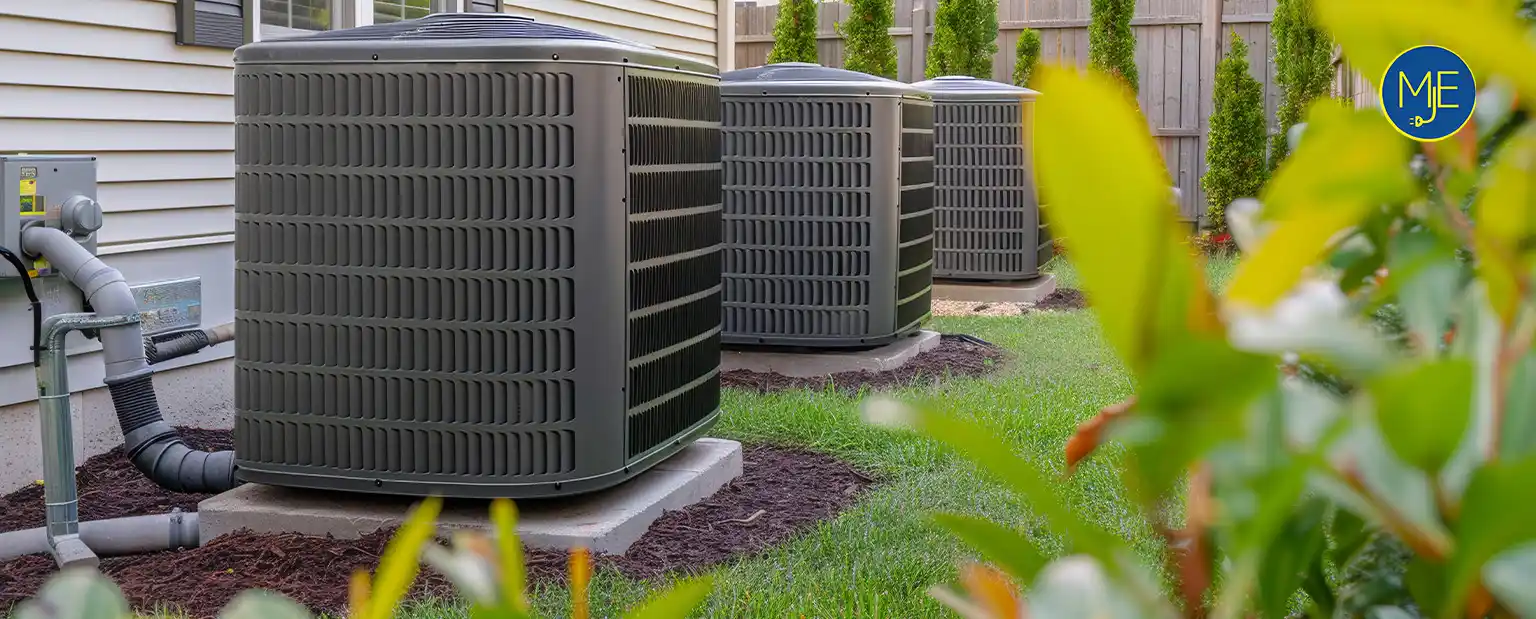
- Space heating via reverse-cycle air conditioning, also called heat pumps.
- Hot water via a heat pump hot water system, or solar hot water.
- Cooking via induction, or electric oven/cooktop
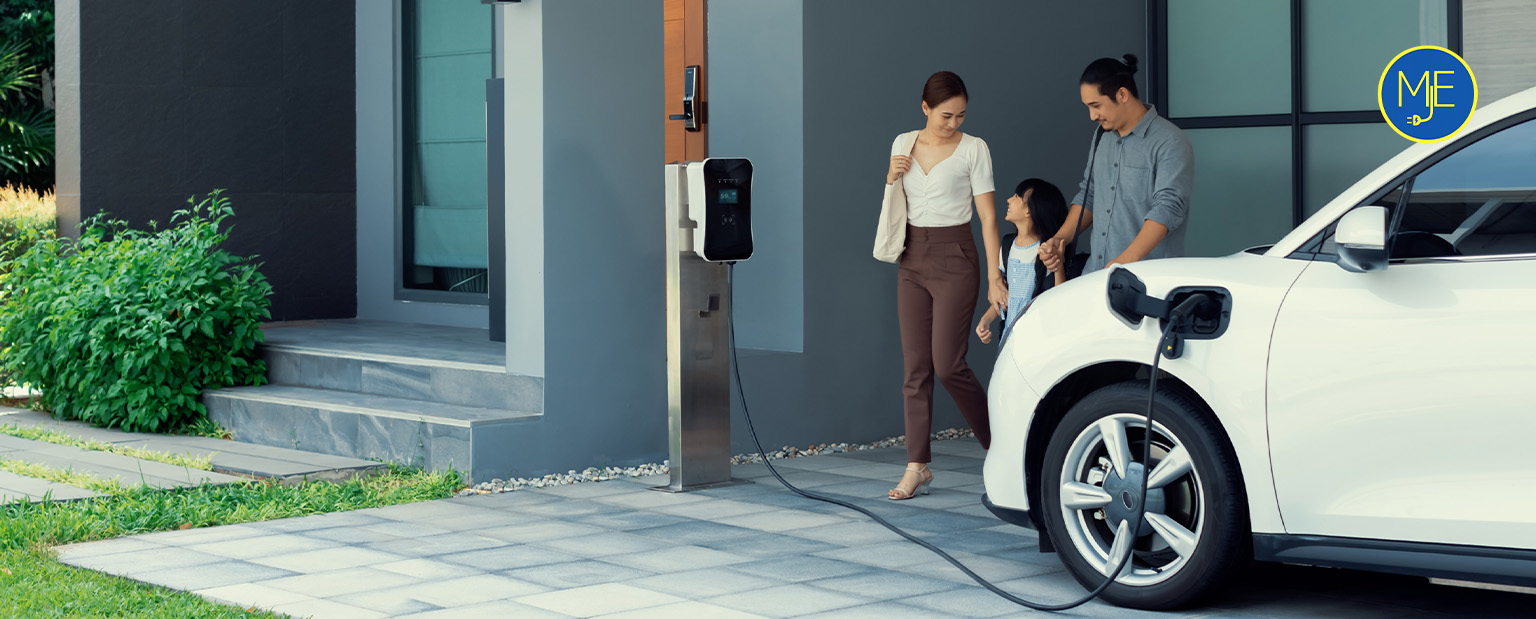
- Energy supply with rooftop solar, a battery, and EV-ready wiring
You don’t have to do it in one hit. Most households electrify in stages, replacing the big-ticket items as they age out and upgrading the switchboard/circuits as needed.
The problem with gas, and why people are moving on
Gas has been the default for decades, so it can feel “normal”, but it comes with a few pain points that are getting harder to ignore.
Gas can cost you money even when you barely use it
A big frustration we see is households keeping gas connected for one appliance, and still paying fixed supply charges year-round. That means you can be doing “everything right”, short showers, careful heating, and still have a chunk of cost that never goes away because the connection is still active.
If your long-term plan is lower bills, fully disconnecting gas is often where the biggest structural savings kick in.
Indoor combustion isn’t ideal
Gas cooking and heating involve combustion inside the home. That can contribute to indoor air pollution if ventilation isn’t great, and lots of older Ballarat homes weren’t designed with perfect ventilation in mind. A simple way to reduce that burden is to remove the flame from indoors altogether, especially in the kitchen.
Victoria is actively shifting buildings away from fossil gas
This is the part people are often surprised by: Victoria now has clear electrification regulations for buildings.
- From January 2027, all new homes and most new commercial buildings must be built all-electric.
- From March 2027, when an existing home’s gas hot water system reaches end-of-life and can’t be repaired, it must generally be replaced with an electric alternative, with specific exemptions in some circumstances.
What that means for homeowners right now: you’re not being told to rip everything out tomorrow, but the direction is set. Planning your upgrades calmly, before something fails mid-winter, usually saves money and stress.
Why is electric better
The big reason electric wins is efficiency, and that shows up as comfort and running costs.
Heat pumps are the game-changer
Reverse-cycle heating, the kind you get from split systems or ducted reverse-cycle, is a heat pump. Instead of burning fuel to create heat, it moves heat, which is why it can be dramatically more efficient.
The Australian Government notes that reverse-cycle air conditioners on the market commonly range around 300% to 600% efficiency.
In Ballarat terms, that matters because:
- you can warm key living zones quickly,
- you can keep a steady temperature without the “blast then freeze” cycle,
- and you’re not paying for gas plus electricity at the same time.
Heat pump hot water is often the best first step
Hot water is one of the biggest energy users in most homes. Heat pump hot water systems can reduce energy use compared to older electric storage systems and can replace gas hot water entirely.
Solar Victoria offers a hot water rebate up to $1,000, and from 1 July 2025 there’s a higher rebate up to $1,400 for eligible locally made products.
Induction cooking is the “convert-your-mates” upgrade
Induction is fast, controllable, and doesn’t put a flame in your kitchen. Victoria’s Victorian Energy Upgrades (VEU) program also offers discounted induction cooktops for eligible households switching from gas/LPG.
A nice side benefit: induction is generally easier to keep clean, and you’ll often notice less moisture/odour hanging around after cooking.
Electric gets cleaner over time
Even if you don’t install solar straight away, electricity supply changes as the grid adds more renewables. And if you do add rooftop solar later, you can run more of your home using your own generation during the day.
Can I upgrade one item at a time?
Yes, and it’s usually the smartest approach.
Most households electrify in stages because it lets you:
- spread costs over time,
- replace appliances when they’re near end-of-life,
- use rebates when you’re ready,
- and avoid rushed decisions when something breaks.
The key is to do a quick plan first, so each upgrade moves you forward (not sideways). For example, if you plan to go induction later, you might run the right cable now while you’ve got the electrician on site.
Should I buy GreenPower?
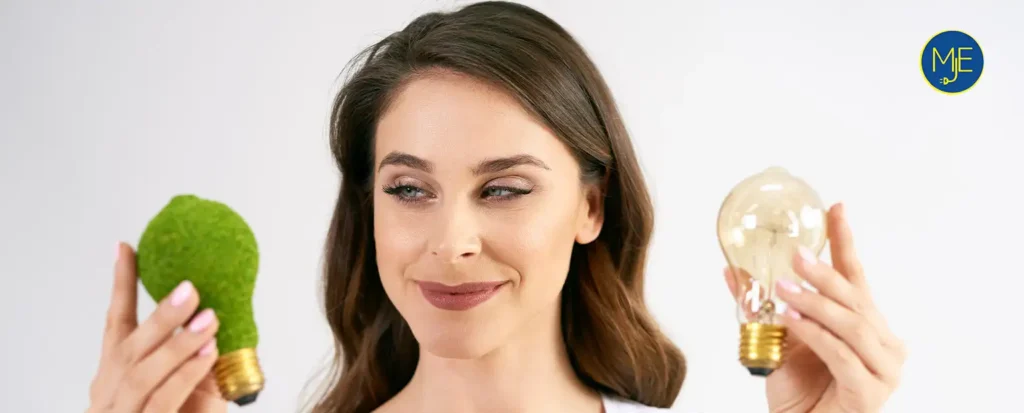
GreenPower can be a great “right now” option if:
- you can’t install solar as you are renting, have a shaded roof, or facing heritage constraints, or
- you want to reduce emissions while you electrify in stages.
GreenPower explains that it ensures the renewable energy you purchase comes from an accredited renewable energy source, is added to the grid on your behalf, and goes beyond the Renewable Energy Target requirements.
A practical way to think about it:
- Solar first for bill reduction, then consider GreenPower for the remaining grid usage.
- If solar isn’t possible, GreenPower is a simple, verified pathway through many retailers.
Will electric appliances save money?
Often, yes, but there are a couple of factors. Iot depends on:
Savings usually come from three places:
- Replacing gas heating with reverse-cycle results in huge efficiency gains.
- Replacing gas hot water with a heat pump – big upgrade, often rebate-supported.
- Dropping gas supply charges once you fully disconnect from gas.
The biggest spoiler is the building itself. If your home is draughty, poorly insulated, or you’re heating rooms you don’t use, you’ll waste energy no matter what appliance you buy. In Ballarat, basic comfort work likesealing gaps, good curtains, and insulation, can massively improve results from reverse-cycle heating.
The staged, step-by-step approach to home electrification
Here’s the approach we recommend to most Ballarat households. It’s not the only way, but it’s realistic and tends to deliver strong results.
Stage 0: Do a quick electrification check before you buy appliances
This is where you avoid paying twice.
What to review early:
- switchboard condition and whether it can handle added circuits
- how many spare ways/capacity you have
- whether you’ll need dedicated circuits for:
- induction
- heat pump hot water
- multiple split systems
- an EV charger later
- RCD safety switch coverage and overall compliance
If you’re unsure, start with a short on-site assessment and a written staging plan. It’s much cheaper than discovering your switchboard needs urgent work halfway through an upgrade.
Stage 1: Hot water is often the best first win
Hot water is a great first upgrade because it’s a major energy load and there’s strong state support.
Why it’s a great early step: it’s predictable, it runs daily, and it pairs perfectly with solar later.
Quick checklist:
- confirm you’re choosing an eligible product
- check Solar Victoria’s rebate settings and eligibility first
- allow for a dedicated electrical circuit if needed
- set up a timer/schedule from day one, especially if solar is planned
Stage 2: Space heating & cooling
In Ballarat, this can be the biggest comfort upgrade you’ll ever do.
VEU also sets minimum customer contributions for discounted reverse-cycle upgrades (to prevent “free” systems with hidden catch-ups).
What we usually recommend:
- start with the main living area where the use is biggest
- add bedrooms next if budget allows
- size properly
- think zoning: heat the rooms you live in, not the whole house
Stage 3: Move Cooking to induction
Induction is often the last “gas holdout”, and it’s a key step if you want to disconnect gas completely.
VEU induction cooktop discounts have eligibility requirements and a purchase window (currently noted as running through 30 June 2026 on the program page).
Induction upgrade checklist:
- check if your cooktop cut-out needs resizing
- plan the dedicated circuit
- consider rangehood ventilation (still worth doing well)
- confirm rebate/discount eligibility before purchase
Stage 4: Rooftop solar to supercharge your plan
Solar is not required to electrify, but it can make the whole plan feel like it “pays you back” sooner.
Solar Victoria’s solar panel (PV) rebate is up to $1,400, and there’s an option for an interest-free loan of up to $1,400 for eligible households.
If you’re planning solar, you can make electrification work even better by:
- scheduling hot water heating in the daytime,
- doing daytime “heat top-ups” on sunny winter afternoons,
- and planning EV-ready wiring while you’re already upgrading circuits.
Stage 5: Battery Storage
Batteries can help if you have:
- critical backup needs,
- frequent outages,
- work-from-home reliability requirements,
- you want to store more of your solar.
Most households get better value by sizing a battery for critical loads, not the whole home.
For example, fridge/freezer, lights for key zones, internet/modem, and a handful of essential power points.
Stage 6: EV-ready wiring, even if you don’t own one yet
If an EV is on your horizon, it’s worth planning cable routes, switchboard capacity and charger location early. It’s one of those upgrades that’s much cheaper when you’re already doing electrical work.
Stage 7: Disconnect gas
Once you’ve removed gas appliances, you can look at full disconnection/abolishment. Victoria has guidance on disconnecting from fossil gas, including how the process works via your retailer/distributor.
Typical steps:
- confirm all gas appliances are removed/isolated
- talk to your retailer about disconnection vs abolishment
keep documentation for your records, and future buyers
Rebates, discounts and initiatives you can use
Here are the main Victorian programs most households use while electrifying:
- Solar Victoria hot water rebate: up to $1,000, or up to $1,400 for eligible locally made products
- Solar Victoria solar panel rebate: up to $1,400 + optional interest-free loan (eligibility applies)
- Victorian Energy Upgrades (VEU):
- induction cooktop discounts
- heating and cooling discounts for efficient reverse-cycle systems
- Building electrification rules and timelines
- Gas substitution roadmap
Common home electrification mistakes we see, and how to avoid them
Electrification goes smoothly when it’s planned. It gets frustrating when it’s piecemeal. The most common avoidable issues are:
- Buying appliances first, then discovering the switchboard can’t support them
- Missing rebate eligibility because the product/provider wasn’t approved or paperwork wasn’t done in the right order
- Undersizing heating (one split system can’t magically heat a badly insulated whole house)
- Keeping gas “just for cooking” and then wondering why bills haven’t dropped much
A short assessment and a staged plan typically avoid all of the above.
Ok, I’m ready… now what?
If you’re keen to get moving, here’s a simple path that avoids overwhelm.
Start with these three actions:
- Pick your first upgrade, hot water is often the best “starter”.
- Check your switchboard and circuit capacity before buying appliances.
- Confirm rebates/eligibility first, then purchase – some programs have approved product/provider requirements.
Then map the rest as a staged plan based on appliance age, budget, and comfort priorities.
Switching to an all-electric home
Switching to an all-electric home isn’t about doing a massive reno overnight. It’s about making smart upgrades in the right order, so you improve comfort, reduce running costs over time, and set your home up for what Victoria is already moving toward.
If you’re in Ballarat and you want a practical plan, including switchboard capacity, circuit upgrades, induction readiness, heat pump wiring, and a staged roadmap that fits your budget, book an all-electric home assessment with MJ Electricians. We’ll help you prioritise upgrades, avoid do-overs, and make sure every step is safe, compliant and future-ready.