
When the holidays hit in Ballarat, the house suddenly feels a lot busier. Kids are home, visitors pop in, the TV and gaming consoles are running longer, and the aircon is working hard on those hot days. It’s a great time of year, until the January power bill arrives and makes your stomach drop.
That “holiday power bill shock” isn’t just bad luck. It usually comes from lots of small things happening at once: more people, longer hours of use, extra cooking, more hot water and lights on everywhere.
The good news is you don’t have to sacrifice comfort to get the bill back under control. With a few simple tweaks and some easy habits, you can enjoy the holidays without having to deal with huge bill due to high electricity costs.
As local Ballarat electricians, we see the same issues pop up year after year. Here’s how you can tackle them at your place.
Know Where Your Power Is Going
Before you can fix anything, it helps to know what’s actually chewing through the power.
In most homes, the big users are pretty similar: heating and cooling, hot water, ovens and cooktops, clothes dryers and older fridges or freezers. When everyone’s home and everything’s running longer than usual, those costs rise fast.
If you’ve got a smart meter, jump into your energy retailer’s app or online portal. Many of them show:
- Daily or hourly usage
- Spikes on very hot days
- Differences between daytime and overnight use
You’ll probably notice patterns like big spikes around dinner when the oven and aircon are both going, or steady use all night from hot water and fridges. Once you can see those patterns, it becomes easier to target the right things instead of guessing.
Think of it as a health check for your power use. You don’t have to become obsessed with the numbers, but having a rough idea of your “trouble spots” will make every change you make more effective.
Make Your Aircon Work Smarter
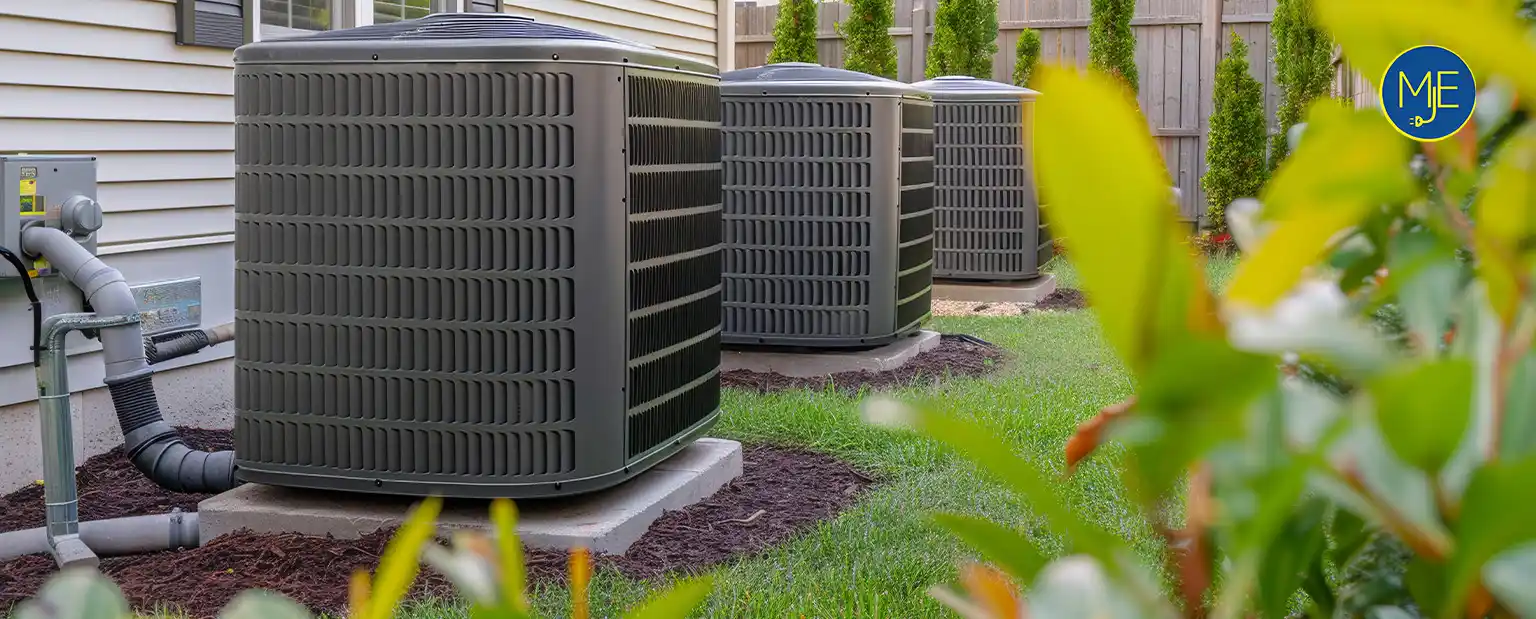
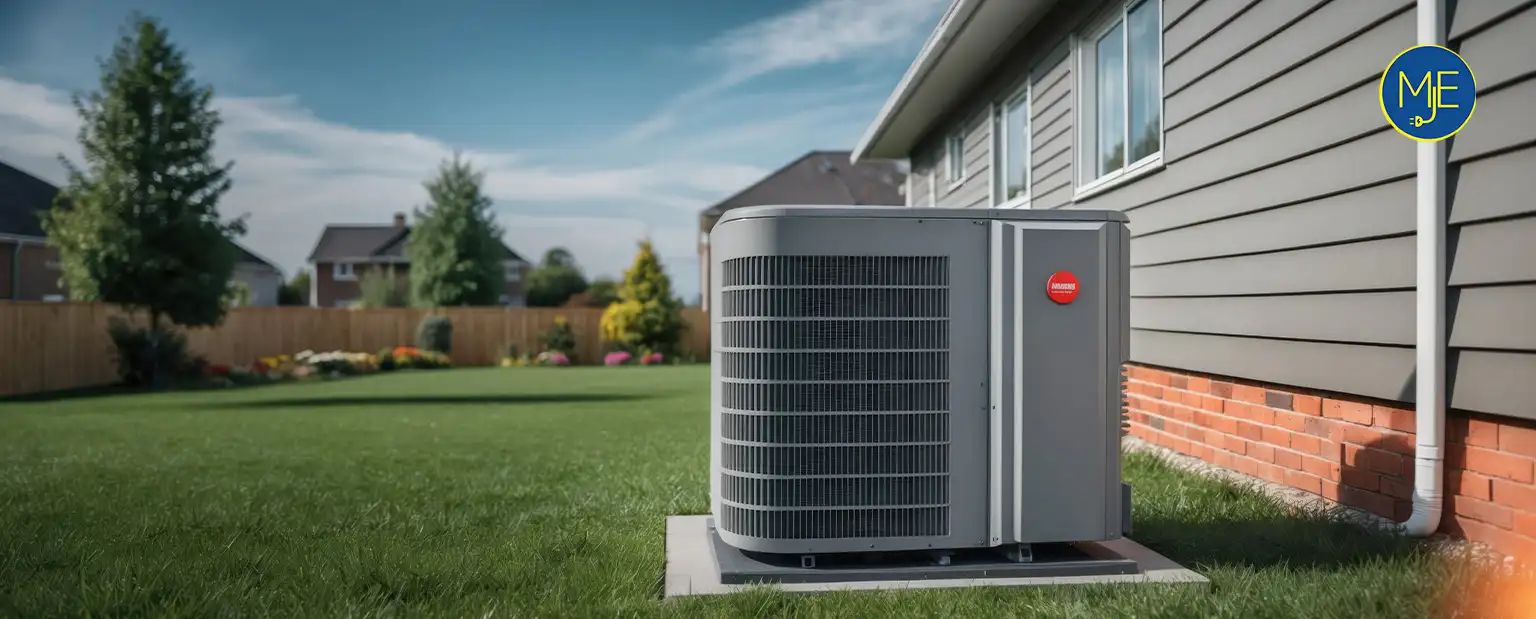
On a hot Ballarat afternoon, it’s tempting to swing the aircon right down to 18°C and close the curtains. It feels great, until you see the bill. Air conditioning is often one of the biggest contributors to summer power use, especially when everyone is home for weeks.
You’ll save a lot just by choosing a realistic temperature. In summer, 24 to 26°C is usually a good sweet spot: comfortable for most people, without forcing the unit to slog away at full power. Pair that with closing doors and windows while it’s running, and you’ll get far more out of every kilowatt.
If you’ve got a zoned system, use it to your advantage. Cool the rooms you’re actually using, usually the living areas during the day and bedrooms at night, rather than running the whole house all at once. If you don’t have zoning, simply closing doors to unused rooms helps the aircon focus on a smaller area.
A bit of basic maintenance also goes a long way. Dirty filters make the system work harder, using more energy to move air around. Cleaning or replacing filters before the holidays is a quick job that can improve efficiency and comfort at the same time.
Make Ceiling Fans Your Best Mate
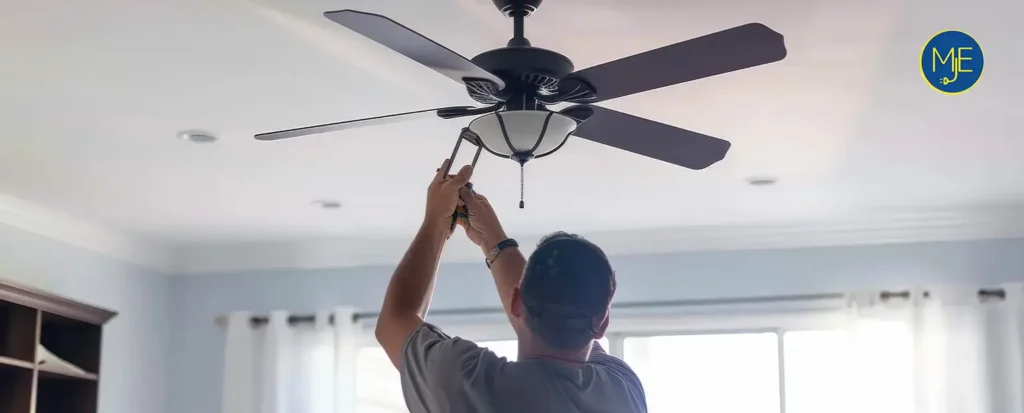
Ceiling fans are one of the cheapest ways to stay comfortable. They don’t actually cool the air, they move it, but that airflow helps your body feel cooler, which means you can nudge the aircon temperature up a few degrees and still feel good.
In many homes, a fan in the bedroom is all you need to sleep comfortably on slightly cooler nights, especially once the evening breeze kicks in. During the day, a fan in the living area takes the edge off the heat and makes the aircon feel more effective without using much power at all.
A few fan basics:
- Set them to summer mode (usually anti-clockwise) so they push air downwards.
- Run them at lower speeds at night for a quiet, gentle breeze.
If you don’t have ceiling fans yet, having a few installed in key rooms is one of the best value upgrades you can make for summer comfort and lower bills.
Stop Keep Devices on Standby Power
Standby power is one of those sneaky things that’s easy to ignore. A little light on the TV, the console sitting in rest mode, the spare monitor glowing faintly; they don’t look like much, but over weeks and months they can quietly add a decent chunk to your bill.
When you think about how many devices you’ve got plugged in: TVs, gaming consoles, soundbars, modems, routers, computers, set-top boxes, chargers, it’s not unusual for several of them to be drawing a small amount of power 24/7.
You don’t need to pull every plug out of the wall, but you can make life much easier with a few simple changes:
- Use power boards with a master switch for entertainment set-ups.
- Unplug chargers that aren’t being used, especially ones that sit in the wall all the time.
- Make it someone’s “job” to do a quick power-off check in the lounge before bed.
It’s not about being perfect every single night – it’s about breaking the habit of leaving everything sitting in standby for no reason.
Kitchen Habits That Don’t Blow the Budget
The kitchen gets a serious workout over the holidays: more meals, more snacks, more cold drinks, and a steady stream of cups of tea and coffee. All that activity uses extra power, but a few sensible habits can keep it under control.
Ovens are one of the more power-hungry appliances. If you’re just reheating leftovers or cooking something small, the microwave or air fryer often does the job faster and more efficiently. When you do need the oven, try to plan ahead so you cook multiple dishes in one go instead of heating it up repeatedly through the day.
Fridges and freezers run constantly, so every bit of efficiency helps. Check door seals to make sure they’re closing properly; damaged or loose seals mean cold air leaks out and the compressor has to work harder. Also think about any extra fridges you have, like an old “beer fridge” in the shed.
Many older units are very inefficient; turning them off between gatherings can make a noticeable difference.
Even small habits add up over a long summer:
- Boil only as much water as you need in the kettle.
- Avoid leaving the fridge door open while you stand there deciding what you want.
- Don’t set the fridge or freezer colder than necessary.
You don’t have to give up the treats and family feasts; just use the appliances in a way that doesn’t quietly send the bill through the roof.
Using Hot Water Wisely
Hot water is easy to forget about because everything happens out of sight. But if you’ve got an electric storage hot water system, it can be one of the biggest contributors to your electricity use, especially with extra showers and dishes over the holidays.
The thermostat on the hot water unit needs to be set high enough for safety, but not so high that it’s wasting energy. If it’s been turned up at some point “just to be safe”, it might be sitting higher than it needs to be. A licensed electrician or plumber can check and adjust it to a safe, efficient level.
Daily habits matter here too.
- Encouraging shorter showers, fixing dripping hot taps and avoiding unnecessary hot water use can make a real difference.
- If you’re on a time-of-use tariff, your hot water system may be set to heat mainly during cheaper off-peak times.
A few simple changes here can shave dollars off every bill without anyone really feeling like they’re missing out.
Doing Laundry and Dishwashing on Full Loads and Off-peak Hours

With everyone home, the washing machine and dishwasher barely get a break. The trick is to use them in a way that gets the job done without wasting power.
For laundry, running full loads rather than frequent small ones is the big win. Using cold water cycles where possible keeps energy use down and is usually perfectly suitable for everyday clothes. On fine days, line drying is still the cheapest and gentlest option, and very Aussie.
The clothes dryer is handy, but it’s also power-hungry. If you do need to use it, spin clothes well in the washing machine first and clean the lint filter regularly so the dryer doesn’t have to work harder than necessary.
Dishwashers are similar. Rather than running it half full because you’re in a hurry, wait until it’s properly loaded. Most modern machines have eco or lower-temperature cycles that still clean well but use less energy and water.
If your plan has cheaper off-peak periods, both the washing machine and dishwasher are great candidates for running late in the evening or overnight using delay-start functions.
A few key habits go a long way:
- Full loads in both washer and dishwasher
- Cold water where possible
- Line drying when the weather plays nice
Over the course of a long holiday break, these choices add up to serious savings.
LED Lighting Can Be Bright, Cheerful and Efficient

With later nights, guests staying over and festive decorations, lighting gets extra use through the holidays. It might not seem like a big deal compared to aircon or hot water, but over time it adds up, especially if you’re still using old-style globes.
If you haven’t already, switching key lights to LEDs is a simple, high-impact move. Focus on the areas you use the most: living spaces, kitchen, hallways and outdoor lights that stay on for hours.
LEDs use far less power than halogens or incandescents and last much longer, so you’re saving on both energy and replacement costs.
How you use lights also matters.
- Instead of lighting up the whole room, you can often get away with a lamp right where you are working.
- Flick lights off when you leave a room.
- Use modern LED fairy lights for Christmas displays
- Plug-in timers so your lights will switch off automatically at a sensible hour.
You still get all the festive cheer without paying for lights that no one’s around to enjoy.
Let Timers and Smart Plugs Do the Remembering
One of the easiest ways to cut wasted power is to take human forgetfulness out of the equation. Timers and smart plugs are simple tools that quietly work in the background, making sure things turn off when they should.
Basic plug-in timers are ideal for:
- Christmas and garden lighting
- Pumps and fountains
- Some fans or appliances that only need set hours
You set the on and off times and then forget about it. No more waking up and realising the outdoor lights have been blazing away all night.
Smart plugs go a bit further. They let you turn devices on and off from your phone, set schedules and sometimes even see energy use. They’re handy for entertainment setups, home office gear or other non-essential devices you’d like to shut down at night without crawling behind furniture.
You don’t need to automate the whole house. Just targeting a few key circuits or appliances keeps your usage in check while you focus on actually enjoying the holidays.
Switchboard, Tariffs and Solar
Finally, it’s worth looking at the overall setup of your home’s electrical system. This is where a licensed electrician can really help you make everything safer and more efficient.
Older switchboards may struggle with modern loads, especially when you add aircon, extra power points, more appliances and possibly EV charging or bigger solar systems down the track. An upgrade can improve safety, make it easier to manage higher demand and support things like smart controls or additional circuits where you actually need them.
Your electricity plan is part of the picture too. Many people stay on the same tariff for years without checking whether it still suits them. It’s worth asking:
- Am I on a flat rate or time-of-use plan?
- Do my usage habits match that structure?
If you tend to use a lot of power at certain times, swapping plans or adjusting when you run big appliances can make a noticeable difference.
If your home has solar, summer is when it really shines. Running high-usage appliances during the middle of the day helps you use more of your own solar energy instead of buying as much from the grid.
Timers, smart plugs and a bit of planning can line your washing, dishwashing and even some cooling with your solar production.
Need a Hand Getting Holiday-Ready?
Holiday power bill shock usually comes from lots of little things adding up: hard-working aircon, extra showers, constant cooking, standby devices, outdoor lights, and more people under one roof. The flip side is that a handful of simple changes can pull your usage back into line without making anyone feel like they’re “going without”.
If you’re in Ballarat and you’d like help putting some of these ideas into practice, that’s where a local electrician comes in. We can:
- Install or upgrade ceiling fans
- Replace older lights with efficient LEDs
- Add power points where you actually need them
- Set up timers, smart switches and simple automation
- Check and upgrade your switchboard, and advise on the best way to support your current and future electrical needs
Instead of dreading that January bill, you can head into the holidays knowing your home is running safely and efficiently.
When you’re ready, get in touch with MJE. We are your local Ballarat electricians for a friendly chat and practical advice tailored to your home. Together, we can help make this holiday season comfortable, safe, and much kinder on your power bill.