If you live in Ballarat, chances are you’ve felt the pain of a gas hot water unit that’s on its last legs: pilot lights playing up, inconsistent temperatures, or that dreaded moment it fails when you’ve got guests or a busy week ahead. A heat pump hot water system is one of the most practical upgrades you can make, especially if you’re trying to cut running costs, reduce reliance on gas, and future-proof your home.
This guide is designed to be genuinely useful: what a heat pump is, whether it suits Ballarat conditions, what the installation involves, how rebates work in Victoria, and the rules that are shaping hot water replacements over the next couple of years.
What is a heat pump hot water system?
A heat pump hot water system heats water by moving heat from the surrounding air into your water tank. Think of it like a reverse-cycle air conditioner, but instead of warming your lounge room, it’s warming your hot water.
That “moving heat” part is important. With a gas system, you burn gas to create heat. With a conventional electric tank, an element heats water like a kettle. A heat pump takes a different approach: it uses electricity to run a compressor and refrigerant loop that captures heat energy from the air and transfers it into the water. Because it’s not generating heat from scratch, it can be a very efficient way to heat a big volume of water.
Most heat pumps you’ll see in homes are storage systems, a tank of hot water ready to go. There are two common layouts:
- All-in-one: the heat pump and tank are a single unit installed outside.
- Split system: the heat pump unit sits outside, with the storage tank positioned nearby or sometimes where it best fits your property.
In day-to-day use, it feels familiar, hot water comes out of taps and showers like it always has, provided the system is sized and installed properly.
Why people in Ballarat are switching from gas to heat pumps

There are three main reasons locals are making the change.
Running costs and control. Heat pumps can reduce the energy required to heat water compared to older systems, and they give you more ways to control when you heat water. If you have solar, you can often run the unit during the day so you’re using more of your own generation rather than buying power at peak times.
Reliability and comfort. A well-installed heat pump can deliver steady hot water without the quirks that come with ageing gas gear (like ignition faults, flue issues, or systems that struggle under demand because they’re undersized or overdue for replacement).
Future-proofing. Victoria is moving toward electric hot water at the end of life. Under Victoria’s Electric and Efficiency Standards, from 1 March 2027, if an existing gas hot water system reaches end-of-life and can’t be repaired, the replacement must be an efficient electric alternative (heat pumps are the typical option).
Planning the upgrade before a breakdown usually gives you more choice, a calmer install, and a better shot at securing rebates.
Will a heat pump work well in Ballarat’s climate?
This is the question we hear the most, and it’s fair, Ballarat winters are no joke.
Yes, heat pumps can work well in colder climates, but performance depends on two things: the model and the installation.
On cold mornings, there’s less heat energy available in the air, so the unit can work a bit harder and take longer to recover. That’s normal. The key is choosing a unit designed for Australian conditions and sizing it for your household’s peak demand.
Installation matters just as much. A heat pump needs good airflow. If it’s crammed into a dead corner with no ventilation, it won’t perform as well. If it’s placed too close to bedrooms or neighbours without considering noise, you’ll notice it more than you should.
A good installer will check:
- where it can sit with decent airflow and sensible noise impact
- whether your pipe runs will increase heat loss
- your household’s hot water pattern
Is your home a good fit?
Most Ballarat homes are suitable, but a quick reality check helps avoid surprises.
Space and placement
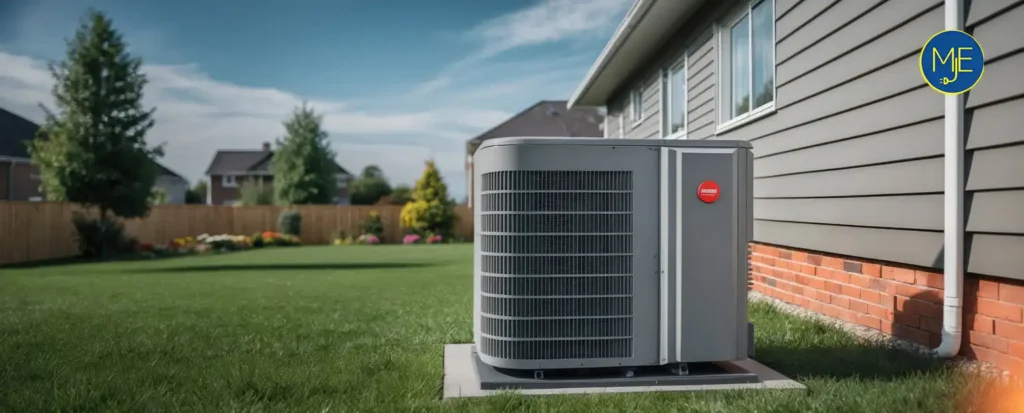
Heat pumps are usually installed outside. You’ll need a spot with clearance for airflow and service access. Side paths can work, but we look out for tight gaps, overhangs, and whether the unit will echo noise off walls.
Hot water demand
Household size and shower habits matter. A family of five with back-to-back showers needs a very different setup from a couple who shower at different times and use a dishwasher on eco mode.
Existing system type
Replacing a gas storage tank is usually straightforward. Replacing instantaneous gas can be a bit more involved because the plumbing layout may differ, and you’re moving from “on-demand” heating to stored hot water.
Electrical capacity
A heat pump typically needs its own electrical circuit. If your switchboard is older or already full, you might need some electrical work, anything from a new breaker to a switchboard upgrade. This is where a proper site check saves headaches.
What does it cost to switch?
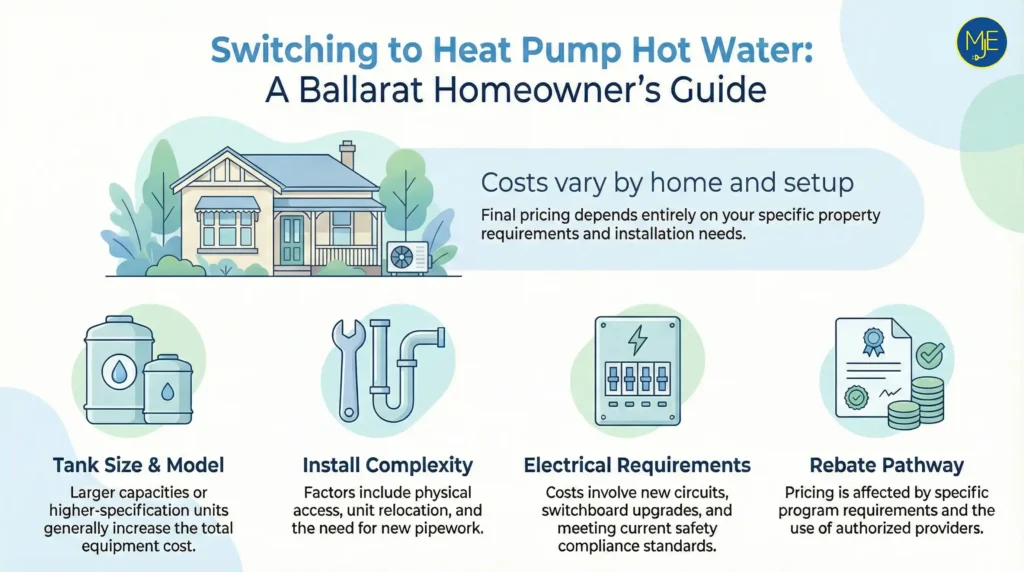
Costs vary because the “unit price” is only half the story; the install conditions make a big difference. A simple replacement where the new unit goes where the old one was, will cost less than a job involving tight access, long pipe runs, or switchboard work.
What generally influences price:
- Tank size and model: Bigger or higher-spec units cost more.
- Install complexity: Access, relocation, new pipework)
- Electrical requirements: New circuit, upgrades, compliance)
- Rebate pathway: Some programs have specific requirements and authorised providers
Instead of chasing the cheapest quote, aim for the best value: correct sizing, correct placement, and a compliant install that won’t cause issues later.
Rebates and discounts in Victoria
Victoria has a few active incentive pathways. Which one suits you depends on eligibility, product choice, and who is supplying/installing the system.
Solar Victoria hot water rebate
Solar Victoria offers a hot water rebate of up to $1,000, or up to $1,400 for eligible locally made hot water products.
What matters in practice is the process: Solar Victoria uses an eligibility and approval pathway, and your installer/retailer needs to participate. There are timeframes too; approved applications can expire if the installation isn’t completed in time.
If you want to verify whether a specific heat pump model is acceptable for the program, Solar Victoria publishes product lists.
Victorian Energy Upgrades (VEU) discounts
The Victorian Energy Upgrades program can provide discounts for eligible hot water upgrades.
A big benefit of VEU is that it’s designed to encourage energy-efficient upgrades at scale. A big “watch this” is to ensure the product is approved and the pathway is legitimate. If you want to check product eligibility yourself, the program maintains a public product registry.
STCs (Small-scale Technology Certificates)
At the federal level, certain heat pump hot water systems may be eligible for STCs, which can be applied as an upfront discount by many suppliers.
Eligibility depends on the exact model being on the approved register. You can verify heat pump hot water systems via the CER register.
A handy federal starting point
If you want a simple overview of hot water upgrades and how incentives generally work, the Australian Government energy site is a good hub:
Laws, standards, and compliance
You don’t need to memorise standards, but you do want your upgrade to be safe, compliant, and backed by the right paperwork.
The 2027 end-of-life replacement requirement
As mentioned earlier, Victoria’s policy direction is clear: from 1 March 2027, end-of-life gas hot water replacements in existing homes must be efficient electric alternatives.
If you like reading the formal “what changed” documents, the amendments sit within Victorian legislation updates, such as the Building and Plumbing Amendment Regulations 2025.
Plumbing and electrical work must be done by the right people
Hot water upgrades can involve plumbing work (valves, pipework, drainage) and often electrical work (new circuit, isolator, switchboard adjustments). In Victoria, the regulatory framework around plumbing is set out in instruments like the Plumbing Regulations 2018.
On the electrical side, Energy Safe Victoria provides clear guidance for hot water installations under major programs, including what installers should do and what consumers should expect:
- Energy Safe Victoria – Hot water system installation information
- Energy Safe Victoria – Certificates of Electrical Safety for consumers
That Certificate of Electrical Safety is a big deal: it’s not just “nice to have”,it’s your record that the electrical work is compliant and traceable.
Choosing the right heat pump
If you’ve ever shopped for a hot water system, you’ll know spec sheets can be overwhelming. The good news is you only need to focus on a few things.
1. Correct sizing for your household
Sizing is where comfort lives or dies. If the tank is too small, you’ll run out of hot water during peak times. If it’s oversized, you’ve paid more than you needed to, and you may heat more water than you use.
A proper recommendation considers:
- number of people
- typical shower times (all at once vs spread out)
- whether you use hot water for laundry/dishwasher regularly
- whether you want to shift heating to daytime for solar
2. Timer and control features
Heat pumps shine when you can control when they run. A timer lets you heat water when electricity is cheaper or when your solar is producing. Solar Victoria’s product list criteria highlight the importance of timer capability and compliant performance, which is a good signal of what matters in real households.
3. Noise and placement
Heat pumps aren’t silent, but they shouldn’t be obnoxious either. Placement choices, distance from bedrooms, mounting stability, airflow, and avoiding echo-prone corners, make a noticeable difference.
4. Warranty and servicing
A longer warranty and local service support can be worth more than a small upfront saving. Ask who handles warranty issues and whether parts/services are accessible in regional Victoria.
What actually happens during a heat pump hot water installation?
Knowing the steps helps you spot a quality job.
Step 1: Site check and plan. We look at placement, access, drainage, pipe runs, and your switchboard capacity. This is also where we confirm your household demand and the right tank size.
Step 2: Safe removal of the old system. Gas hot water removal involves safe isolation and decommissioning. The goal is a clean changeover with no shortcuts.
Step 3: Install and connect. The heat pump is positioned for airflow and service access, then connected to plumbing. Depending on your setup, that can include replacing or relocating valves and ensuring safe discharge arrangements.
Step 4: Electrical work (if required). Many systems need a dedicated circuit and an isolator. If any electrical work is done, you should receive a Certificate of Electrical Safety.
Step 5: Commissioning and handover. This is where the system is tested, temperature settings are confirmed, and timers are set to match your routine, or your solar. A good installer will talk you through what to expect in winter, how long recovery takes, and how to adjust settings if your household routine changes.
How to run a heat pump cheaply and comfortably
This is where you can get real wins without changing your lifestyle much.
If you have solar, the simplest strategy is: heat water when the sun is producing. Many households set the unit to run during the late morning to mid-afternoon. That way, you use more of your own solar instead of exporting it for a low feed-in rate and then buying power back later at a higher rate.
If you don’t have solar, it’s still worth exploring your tariff and shifting heating away from expensive peak times where possible. Even small schedule changes can reduce costs.
Also, don’t underestimate the basics: good airflow, sensible placement, and correct sizing all improve performance. A struggling, undersized, poorly placed unit costs more to run and feels worse to live with.
Switching is easier when you plan it
For Ballarat households, moving from gas hot water to a heat pump is a practical step toward lower running costs, less gas reliance, and a more future-proof home, especially with Victoria’s end-of-life replacement rules taking effect from 1 March 2027.
The best outcomes come from doing three things well: correct sizing, smart placement, and a compliant install backed by the right paperwork.
.If you’re also eligible for rebates or discounts, it pays to follow the official pathways and verify product eligibility through sites like Solar Victoria, VEU, and the Clean Energy Regulator.
If you’re in Ballarat and you’re thinking about replacing your gas hot water, reach out for a quick site check and quote. MJ Electrical helps you choose the right-sized heat pump for your household, check your switchboard capacity, and guide you through the most suitable rebate pathway, so you can switch with confidence, not panic.