

Key Takeaways
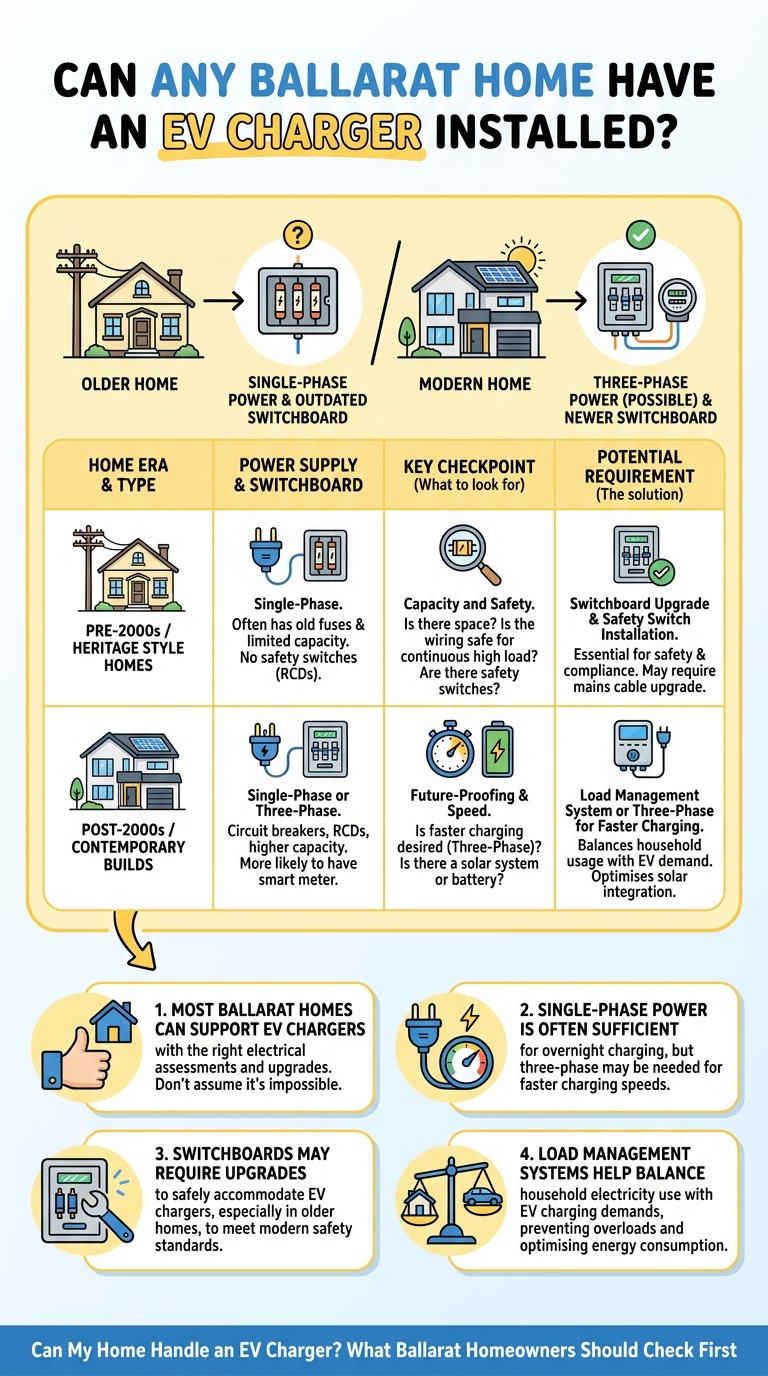
Most Ballarat homes can support EV chargers with the right electrical assessments and upgrades.
Single-phase power is often sufficient, but three-phase may be needed for faster charging.
Switchboards may require upgrades to safely accommodate EV chargers, especially in older homes.
Load management systems help balance household electricity use with EV charging demands.
Key Answer
Most Ballarat homes can support an EV charger with the right electrical setup and assessment. Review your power supply, switchboard, and household demand to ensure readiness. Consult a local electrician for professional advice.
Thinking about upgrading your ride to an electric vehicle and wondering, “Can my home handle an EV charger?” is a common question for many homeowners in Ballarat. As electric vehicles (EVs) become increasingly popular, understanding your home’s electrical capacity is essential. After all, the last thing you want is to overload your system or face unexpected costs. With the right information and guidance, most homes can support EV charging, but some preparation and assessment are key.
In this guide, we’ll break down what you should know about installing an EV charger in Ballarat. From electrical capacity and switchboard requirements to the impact of household electricity usage, we’ll cover all the essentials. Whether you live in one of Ballarat’s historic homes or a newer build, this article is here to help you make informed decisions.
Can Any Ballarat Home Have an EV Charger Installed?
The good news is that almost any home in Ballarat can have an EV charger installed, but it depends on several factors. Your home’s existing electrical system is the starting point. Many newer homes are already equipped with suitable systems, but older homes might require some upgrades. Ballarat’s mix of heritage houses and modern builds means there’s no one-size-fits-all answer.
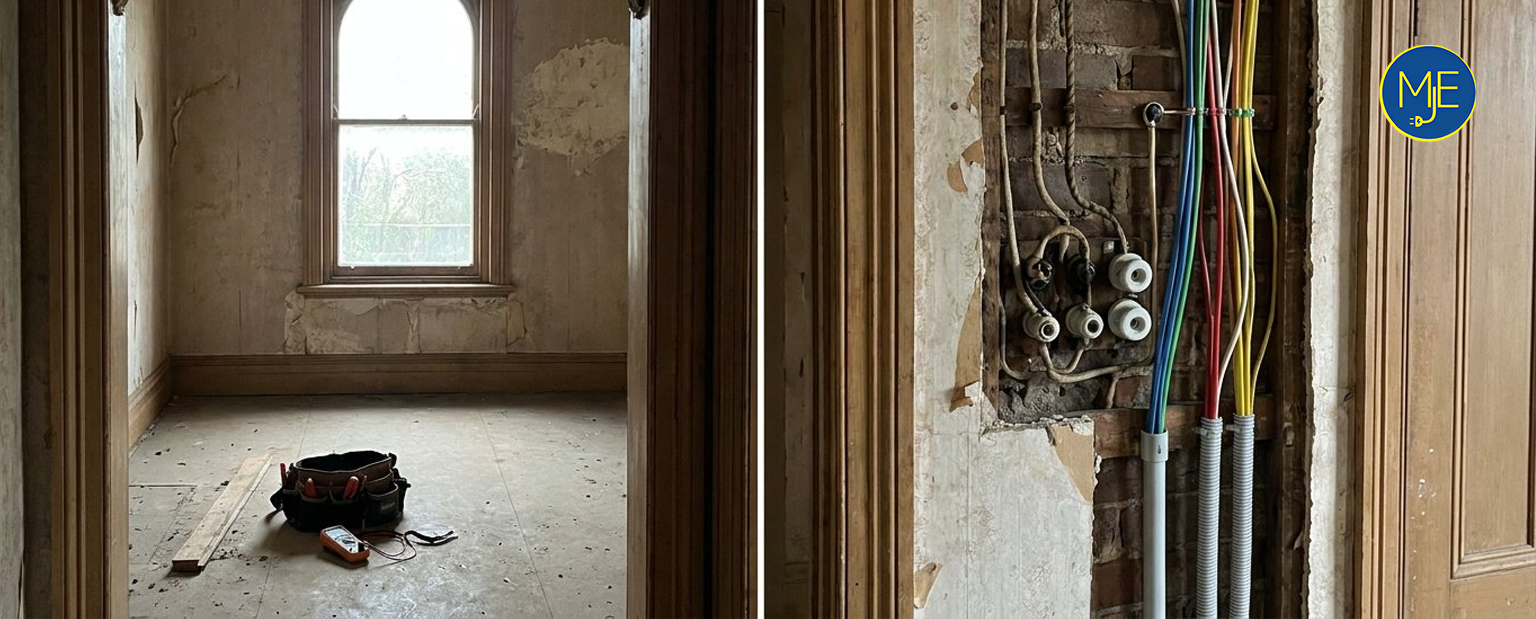
Older homes, especially, may need a closer look at their switchboards and wiring. It’s important to assess whether your electrical system can handle the new demand that an EV charger introduces. That’s why consulting with an EV charger electrician in Ballarat is a smart first step.

How Much Electrical Capacity Does an EV Charger Need?
Understanding the electrical capacity required for an EV charger is crucial. Most home EV chargers need a dedicated circuit with a minimum of 32 amps. If your home runs on a single-phase power supply, it might suffice for basic charging needs, but for faster charging, a three-phase power supply could be beneficial.
A single-phase supply can still support an EV charger as long as household demand is managed correctly. This often involves a professional assessment to ensure that your home can handle the additional load without causing issues. If you’re unsure about your home’s capacity, it’s best to have a professional electrician evaluate your system.
If you are interested in detailed power requirements, you can read more here.
Can Your Switchboard Handle an EV Charger?
Your switchboard is a key player in deciding if your home can accommodate an EV charger. Modern switchboards, typically found in newer homes, usually have the space and capacity to support additional circuits required for EV charging. However, older boards might need upgrades to safely handle the load.
A switchboard upgrade may involve replacing old-style fuses or adding extra circuits. This upgrade not only supports the EV charger but can also improve your overall home electrical safety. If your switchboard looks cramped, outdated, or if you experience regular tripping of breakers, it might be time to consider an upgrade.
Engaging a skilled EV charger electrician in Ballarat to inspect your switchboard is a wise move. They can determine if your board needs updating and suggest the best path forward.
How Does Your Existing Household Electricity Use Affect EV Charging?
Consider how your household currently uses electricity. During peak times, when cooking, heating, and using multiple devices, adding an EV charger can strain your system. Your home’s total electrical demand increases with an EV charger, so it’s vital to balance usage.
Load management solutions can help. By dynamically adjusting the power drawn by the charger based on household demand, these solutions prevent overloading. If you’re planning significant future upgrades, such as additional appliances or a second EV, discussing load management with your electrician could be beneficial.
For more on balancing your electrical load, check out the MJE – Electrician in Ballarat for expert advice.
Where Should a Home EV Charger Be Installed?
Location is everything when it comes to installing an EV charger. Ideally, it should be placed as close to your switchboard as possible to minimise the length and complexity of wiring. This reduces the potential for energy loss and keeps costs down.
In Ballarat, where many homes have garages or carports, these are common installation sites. However, if your parking area is far from the house, additional planning and possibly trenching might be necessary to install the charger safely and effectively.
Keep in mind that the installation location affects overall costs and installation complexity. Consulting with your electrician can help determine the best place for installation based on your home layout and parking situation.
Can Solar Panels and Batteries Work With Your EV Charger?
Combining solar panels and battery storage with your EV charger can enhance efficiency and reduce costs. Many Ballarat homes are already harnessing solar energy, and connecting this to your EV charging setup can maximise self-consumption and lower your electricity bills.
The integration of these systems allows you to charge your EV using renewable energy, making it a green and sustainable solution. Additionally, a battery storage system can store excess solar power to be used for charging during off-peak hours or at night.
Working with a local EV charger electrician ensures that the solar and battery setup is compatible with your EV charger, making the most of your renewable energy investment.
What Should an Electrician Check Before Installing an EV Charger?
Before installing an EV charger, your electrician should conduct a thorough assessment. This includes checking your switchboard capacity, household electrical demand, and power supply type. An inspection will identify any upgrades needed to ensure safe and efficient charging.
It’s essential to choose a qualified and experienced electrician familiar with local regulations and standards. They will also advise on the best type of charger for your needs and the most strategic installation location. Their expertise is crucial in avoiding common pitfalls and ensuring the long-term reliability of your charging system.
By opting for a professional assessment, you not only safeguard your home but also optimise your investment in EV charging technology.
Is Your Home Ready for an EV Charger?
In conclusion, while most Ballarat homes can support an EV charger, the real key is a professional assessment of your electrical system. This ensures that your home is not only ready for an EV charger but that it can handle it safely and efficiently.
A site inspection by an EV charger electrician in Ballarat can provide peace of mind and practical solutions tailored to your home. Don’t risk guesswork; get in touch with MJ Electrical to schedule an assessment and receive a quote tailored to your specific needs.
With the right support, you can enjoy the convenience and sustainability of home EV charging, readying your home for the future.
Frequently Asked Questions
Yes, most homes can have an EV charger installed with the appropriate electrical setup and assessment. Older homes may require upgrades to their electrical systems.
Solar panels can power your EV charger, reducing electricity costs and environmental impact. Integration is possible with compatible battery storage systems.
A professional assessment ensures your home’s electrical system can handle the additional load of an EV charger, preventing potential safety issues and optimizing efficiency.
Load management solutions dynamically adjust power usage to balance your home’s electrical demand, avoiding system overloads during peak times.
Not always. Single-phase can suffice for basic needs, but three-phase offers faster charging and greater flexibility.