
If you are planning electrical work at home, it is natural to ask one big question first: Can any of it attract a rebate?
In Ballarat, the answer is often yes, but only for the right kind of upgrade. In most cases, the available support comes through Victorian and Australian Government programs rather than a separate local Ballarat rebate. The main places to check are the Solar Victoria website, the Victorian Energy Upgrades (VEU) program, and the federal Cheaper Home Batteries Program.
That matters because not every electrical job is treated the same. Some upgrades, like solar panels, heat pump hot water, reverse-cycle air conditioning, induction cooking and solar batteries, are clearly part of current rebate or discount programs. Other work, like a switchboard upgrade or a new dedicated circuit, may still be essential, but it is often treated as supporting work rather than a standalone rebate item.
So if you are researching Ballarat energy rebates in 2026, the smartest approach is to look at the full project, not just one piece of wiring. You might call an electrician because you want a switchboard upgrade, but the bigger picture may be that you are preparing for solar, a heat pump, an induction cooktop or an EV-ready home. That is where rebates become more relevant.
Start with the upgrades that are clearly rebate-friendly
The easiest place to begin is solar. Solar Victoria’s solar panel (PV) rebate remains one of the best-known household programs in Victoria. The current offer is a rebate of up to $1,400, and eligible households can also apply for an interest-free loan for the same amount.
For many homes in Ballarat, solar is the first major electrical upgrade worth considering because it can support the rest of the home’s electrification. Once a home is producing its own daytime power, it becomes easier to make sense of other upgrades such as heat pump hot water, reverse-cycle heating, induction cooking and EV charging.
Solar Victoria also offers a free solar assessment calculator, which is useful for households trying to understand likely system size, costs and savings before speaking with an installer.
Another strong category is hot water. Solar Victoria offers hot water rebates of up to $1,000 for eligible systems, and from 1 July 2025, households choosing an eligible locally made product may receive up to $1,400 instead. That makes hot water one of the clearest examples of home electrification rebates in Victoria, especially for households moving away from older gas systems. The official Solar Victoria hot water rebate page and the product lists page are the right places to check current models and rules.
There is also support for hot water through the Victorian Energy Upgrades program. The VEU says households can save up to $560 upfront and up to $400 a year on energy bills when upgrading to an eligible heat pump water heater. That will not be the whole installed cost, but it can still make the numbers much more appealing.
Heating and cooling upgrades can also qualify
If you are replacing older gas heating or outdated heating and cooling equipment, there may be support here, too. Under the VEU program, households can claim up to $1,610 in upfront discounts and save up to $460 a year when they install or replace an existing gas space heater with an efficient reverse-cycle air conditioner. For a lot of homes, that turns a comfort upgrade into a wider electrification step.
You can find more details at: Heating and cooling discounts on the VEU website.
This is one of the reasons all-electric planning is becoming more practical. Instead of thinking about each appliance one by one, households can start looking at how solar, electric hot water and reverse-cycle heating work together. Even when the main reason for calling an electrician is “my old heating setup needs replacing,” the project may fit into a much larger energy-saving pathway.
Induction cooking is now part of the conversation, too
A few years ago, most people would not have linked a cooktop replacement with an energy-upgrade conversation. That has changed.
The Victorian Energy Upgrades program now includes induction cooktop discounts, aimed at helping households switch to more efficient electric cooking. The VEU describes induction as a way to reduce energy use, lower bills, and improve the kitchen environment.
This matters because induction is often one of the final steps in moving a home away from gas. If a household already has solar or is planning a solar installation, induction can become part of a much more joined-up electrical plan. It may also involve other electrical work, such as checking the existing circuit, cable sizing and switchboard capacity, which is why it helps to look at the kitchen upgrade and the home’s overall electrical setup together rather than separately.
Solar batteries still have support, but the rules have changed
Batteries are another area where people often hear mixed messages. The key point for Ballarat energy rebates in 2026 is this: the old Solar Victoria battery loan is no longer open to new applications, but the Australian Government’s Cheaper Home Batteries Program is active. Solar Victoria’s own battery loan page now directs households to the Commonwealth program for current support.
The federal scheme supports households and small businesses to reduce the cost of installing eligible small-scale solar batteries.
The Clean Energy Regulator has also announced changes from 1 May 2026, with incentives becoming more tiered by battery size while staying at around 30% overall across battery sizes. So the support is still there, but the way it is calculated is shifting.
What about rentals and apartments?

These often get overlooked, but there are real opportunities here, too. For rental properties, Solar Victoria offers a solar rebate of up to $1,400 for eligible rental providers, and the program allows rebates on up to two rental properties per financial year. A signed agreement between the rental provider and renter is part of the process.
Apartment residents and owners’ corporations also have a pathway. Solar Victoria’s Solar for Apartments program offers rebates of up to $2,800 per apartment, up to $140,000 per property, and an additional 5,000 rebates are available until 30 April 2026 or until they run out. So for multi-dwelling sites, the conversation is not only about a single house anymore.
What usually does not qualify on its own
This is the part many homeowners are not told clearly enough. A lot of important electrical work does not appear on rebate pages as a standalone household rebate category. That usually includes things like switchboard upgrades, meter box upgrades, consumer mains upgrades, extra circuits, rewiring and other general compliance or capacity works. These jobs may be completely necessary, but they are usually there to support a rebate-backed installation rather than attract a rebate by themselves.
That is an inference from the way the official programs are structured around products and installation categories such as solar PV, hot water, heating/cooling, induction and batteries.
That does not make those electrical upgrades any less important. In fact, they are often the reason a rebate-supported project can proceed safely and legally. A heat pump may need a new circuit. Induction may need capacity checks. Solar may reveal switchboard issues. A battery installation may need compliance work before it can go ahead. So while the rebate might sit on the major appliance or system, the supporting electrical work is often what makes the whole project possible.
Are there EV electrical rebates in Ballarat?
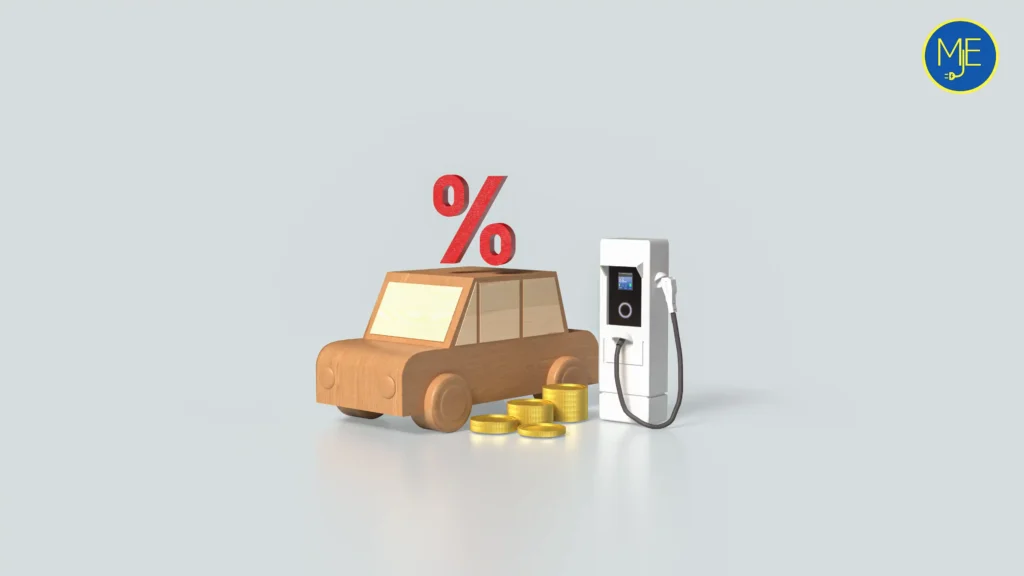
This is one of the most common areas of confusion. People regularly search for EV electrical rebates in Ballarat, but based on the current official household pages reviewed here, EV chargers are not listed in the same way as solar panels, hot water systems, reverse-cycle air conditioning or induction cooktops as a standalone household rebate product. Solar Victoria does have guidance on getting your home EV-ready, and it explains home charging options and how solar can work well with EV charging, but that is not the same thing as a dedicated home charger rebate page for ordinary households.
So the practical answer is this: an EV charger may still be a very smart upgrade for your home, but at the moment, the rebate story is more obvious around the systems that support electrification, such as solar and batteries, than around the charger itself. That is exactly why many customers benefit from talking to an electrician first. The right advice is often not just “Can I get a rebate for this charger?” but “What is the smartest staged plan for my home over the next few years?”
How to check if your upgrade will qualify
Before committing to any work, one should always check the official program pages for current eligibility. These programs commonly rely on things such as property type, household or renter eligibility, approved products, authorised retailers or accredited providers, and specific application steps. Solar Victoria also publishes product lists, and its claim a rebate guidance explains the approval process and what happens after customer eligibility is confirmed.
The safest customer advice is simple: check the program first, then plan the electrical work properly. That reduces the risk of choosing an ineligible product, missing an approval step, or installing something that later turns out not to fit the rebate rules.
Why does an electrician still matter even when the rebate is for the appliance?
A rebate can help with the cost, but it does not replace good planning. Homes often need capacity checks, circuit changes, switchboard work or staged upgrade advice before a new system can be installed well. This is especially true when a household is combining several changes, like solar plus hot water, or heating plus induction, or solar plus EV charging readiness. The official government programs focus on the eligible systems, but customers still need practical advice about what their home can actually handle.
That is why the best customer conversations are not just about “what rebate is available?” They are about what upgrade makes sense first, what supporting electrical work is needed, and how to avoid spending twice. A well-planned electrical upgrade path can help homeowners move toward a safer, more efficient and more future-ready home while making the most of the rebates that really are available.
Over to you
If you’re thinking about installing solar, upgrading your switchboard, preparing for an EV charger, or moving to a more energy-efficient all-electric home, the best place to start is with the right electrical advice. We can assess your current setup, explain what upgrades may be needed, and help you plan the work safely and properly.
Get in touch with our Ballarat electricians at MJE today to discuss your electrical upgrade and request a quote.